HMT-Global SiC Wafer Manufacturers & Suppliers


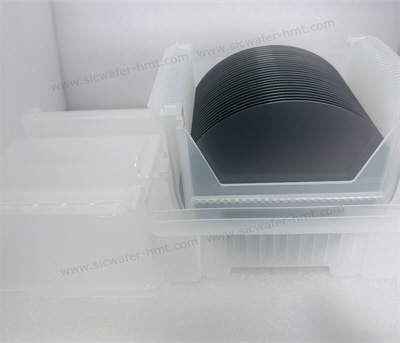
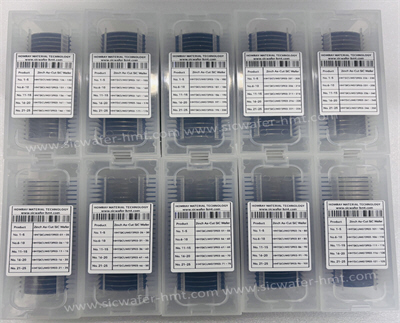
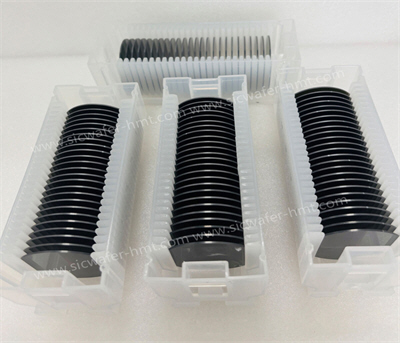
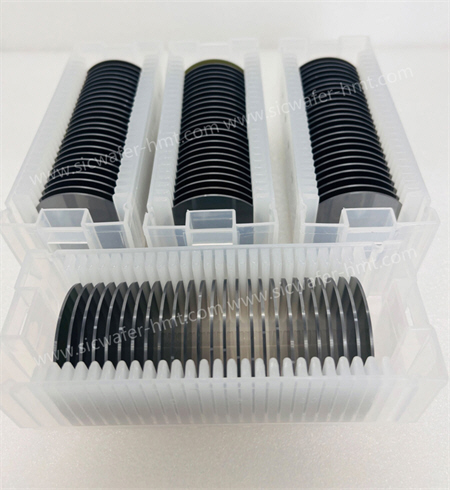
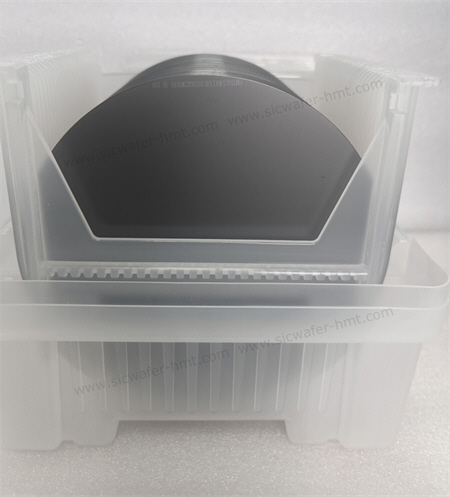
Customized 1200um SiC As-Cut Wafer
PRODUCT PARAMETERS
Description
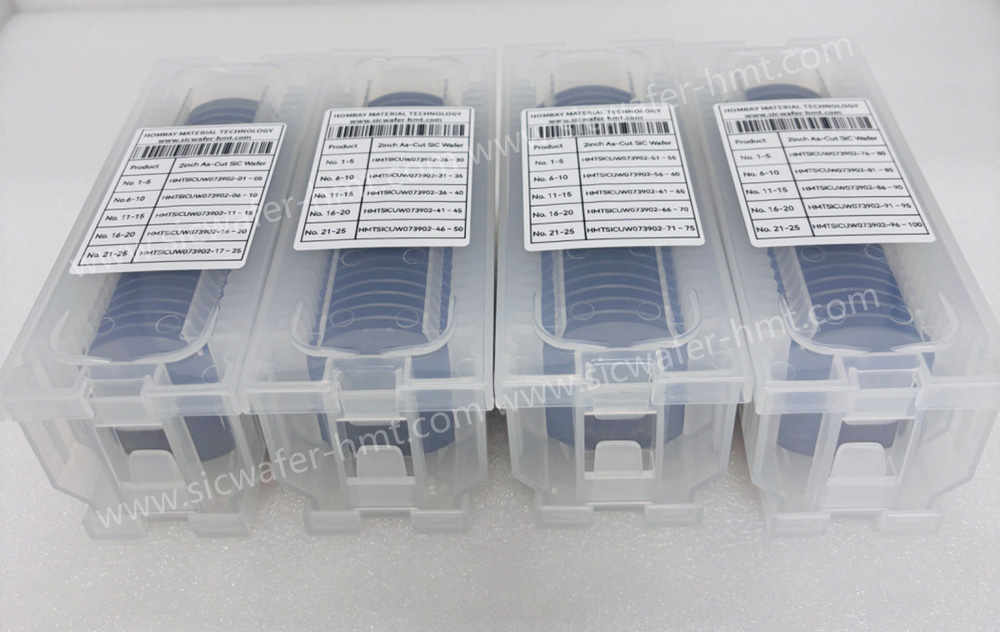
As the reliable SiC Wafer Manufacturer, HMT company also provides customized SiC As-Cut Wafers for variours lapping and polishing testing. The normal thickness about 400um,but in HMT you can custom any thickness like 600um,900um,1100um up to 1500um etc. Our SiC wafers support sizes from 2inch to 8inch diameters, providing unparalleled flexibility for R&D and industrial applications.
Most SiC Wafer Manufacturer mainly include specifications such as 6 inch (150mm), and 8 inch (200mm). An 8 inch SiC wafer can produce approximately twice as many chips as a 6 inch substrate. And four times as many as a 4 inch substrate. But HMT still can produce 2 inch (50.8mm) and 4 inch (100mm) SiC Wafer for worldwide customers.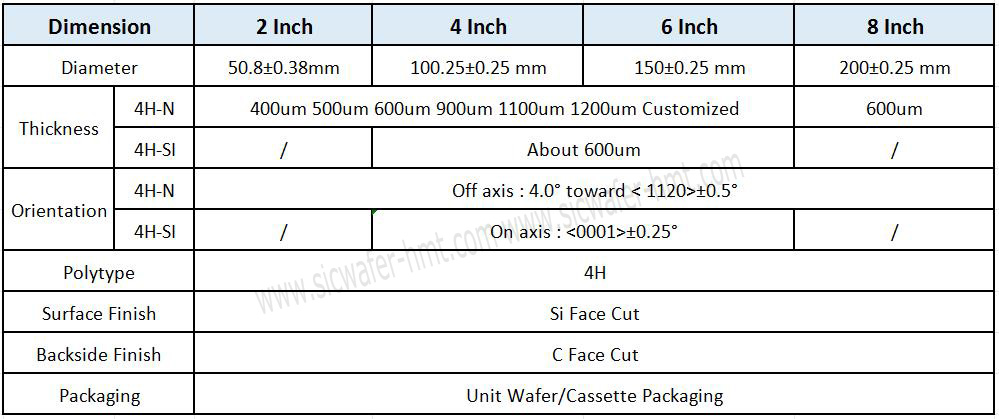
SiC Cutting Technology
Cutting is a critical step in the preparation of SiC wafers. Directly affecting the surface roughness (Ra), total thickness variation (TTV), bow, and warp of the substrate, thereby determining the efficiency and cost of subsequent processes.
The current mainstream cutting technologies include slurry wire cutting, diamond wire cutting, and laser lift-off technology.
- Slurry Wire Cutting
The slicing process is essentially a three-body abrasive wear process (involving the interaction of the cutting wire, abrasive particles in the cutting fluid, and the workpiece).
- Diamond Wire Cutting
Material removal primarily occurs through two-body wear at the cutting seam.The diamond wire is typically a stainless steel wire coated with nickel-based alloy or resin-bonded abrasives. During cutting, the abrasive particles directly contact the crystal surface, and the high-speed movement of the diamond wire completes the cutting of the SiC crystal.
- Laser Lift-off Technology
Laser cutting uses a high-energy laser beam to irradiate the workpiece surface, causing localized melting and vaporization of the irradiated area, thereby removing material and achieving cutting. The mainstream laser cutting technologies currently include water-guided laser processing, stealth dicing, cold cutting, and laser-induced modification.